


-

Add: HeBei ShengShi HongBang Cellulose Technology CO.,LTD.
-

Email
13180486930@163.com -

CONTACT US
+86 13180486930
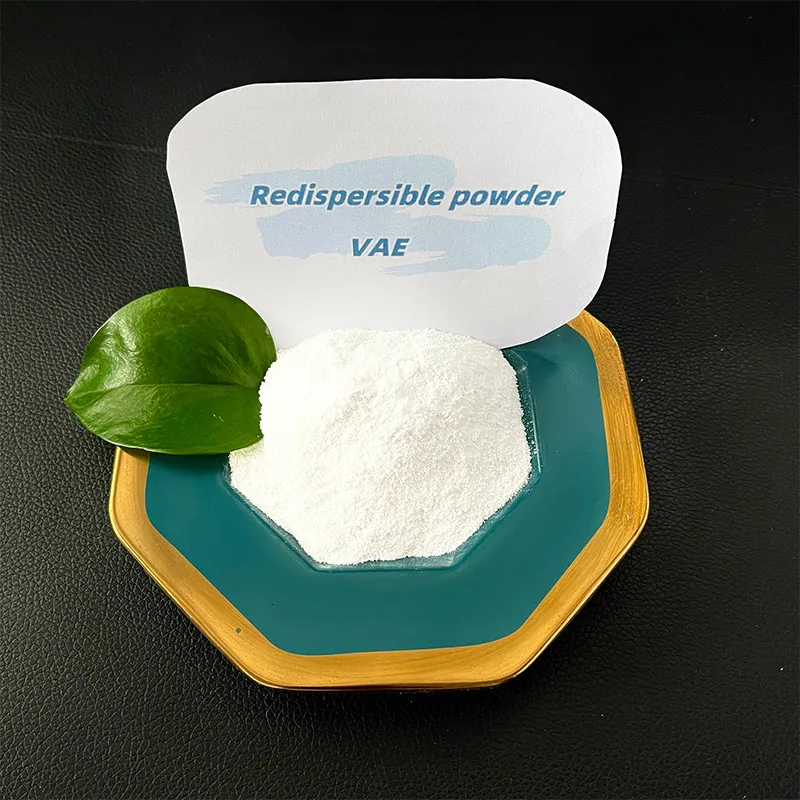
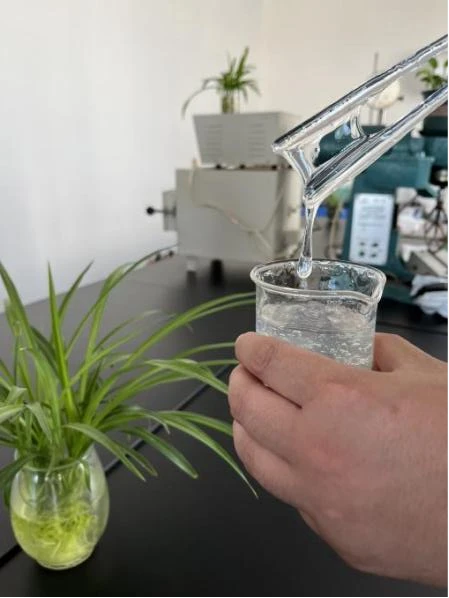
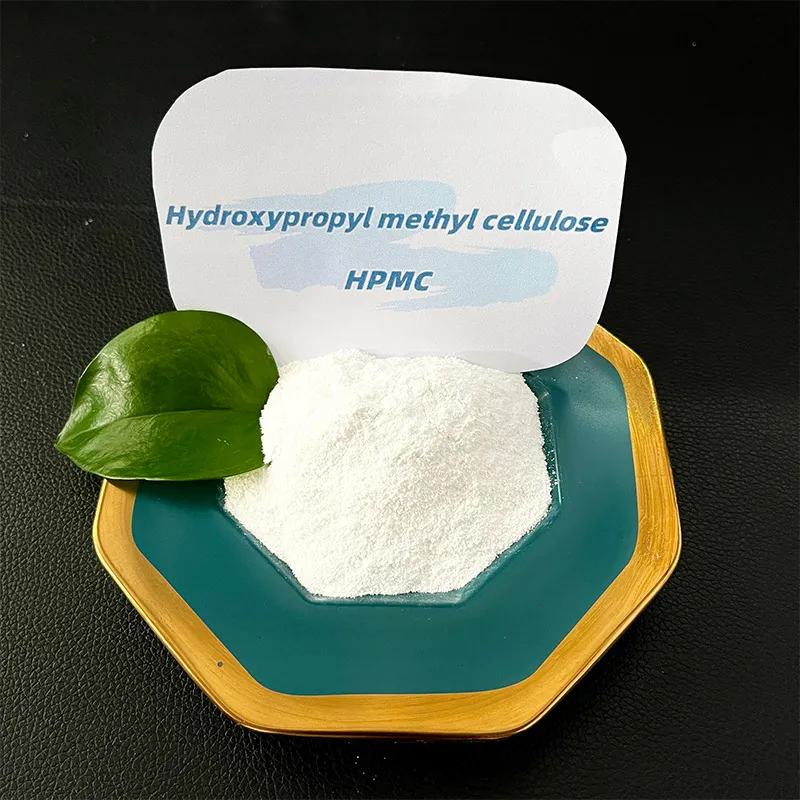
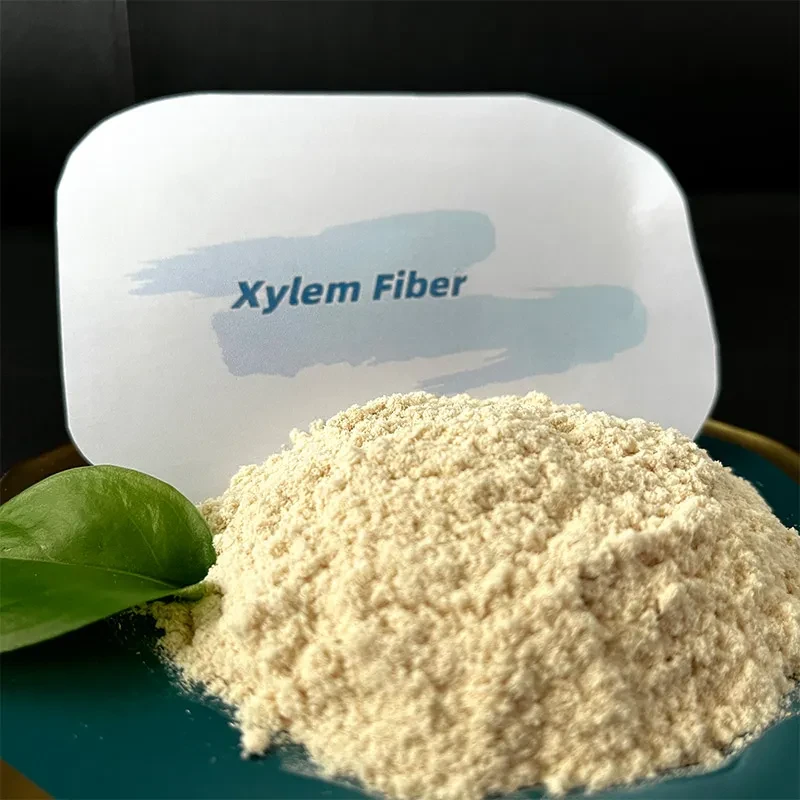



Gypsum Retarder , also known as a plaster retarder, gypsum plaster retarder, or an extra time plaster additive, is a key solution in the manufacturing industry, specifically within the Chemical raw material and chemical product manufacturing industry and the Manufacturing of chemical products for construction. This article explores how HeBei ShengShi HongBang Cellulose Technology CO.,LTD. supports professionals with durable, high-performance products, and explains why this gypsum retarder chemical is an ideal choice for businesses in these sectors. Table of Contents Gypsum Retarder Overview Benefits & Use Cases of Gypsum Retarder in Manufacturing of chemical products for construction Cost, Maintenance & User Experience Sustainability & Market Trends in manufacturing Conclusion on Gypsum Retarder from HeBei ShengShi HongBang Cellulose Technology CO.,LTD. Gypsum Retarder Overview In the dynamic world of construction and chemical manufacturing, precision and efficiency are paramount. This is where a high-quality gypsum retarder plays a crucial role. A plaster retarder is a sophisticated chemical additive designed to control the setting time of gypsum-based products. Essentially, it extends the working window for gypsum plaster, enabling craftsmen and applicators to achieve smoother finishes and more consistent results, especially in large-scale applications. Its relevance in the Chemical raw material and chemical product manufacturing industry, particularly for companies involved in the Manufacturing of chemical products for construction, cannot be overstated. By adding this specialized gypsum retarder chemical to gypsum mixes, manufacturers can provide a product that offers superior workability and reduces material waste on site. HeBei ShengShi HongBang Cellulose Technology CO.,LTD. stands as a reliable manufacturer, developing advanced gypsum plaster retarder solutions that meet the stringent demands of modern construction. Our products are formulated with technical excellence, ensuring optimal performance and consistent quality. This extra time plaster additive allows for better hydration control, preventing premature setting and giving professionals ample time to apply and finish materials, thereby improving the overall quality and durability of the construction. Benefits & Use Cases of Gypsum Retarder in Manufacturing of chemical products for construction The applications for a high-performance gypsum retarder within the Manufacturing of chemical products for construction are diverse and impactful. This specialized additive is indispensable for producers of gypsum-based building materials such as interior plasters, decorative renders, gypsum boards, and joint compounds. By incorporating our plaster retarder , manufacturers can offer products that ensure extended open times, which is critical for complex or larger surface applications. This controlled setting time directly translates into enhanced workability, fewer cold joints, and superior finish quality. One of the key features and competitive advantages of the gypsum retarder chemical from HeBei ShengShi HongBang Cellulose Technology CO.,LTD. is its consistent efficacy and customizable dosage. Our experts understand that different applications require varying degrees of retardation, and our products are engineered to provide precise control, empowering manufacturers to tailor their product's performance to specific market needs. This ensures not only efficiency on the construction site but also significantly reduces material wastage and improves the final aesthetic and structural integrity of gypsum applications. Our expertise in this sector ensures that our extra time plaster additive provides unparalleled advantages in formulation and application. Cost, Maintenance & User Experience Investing in a premium gypsum retarder from HeBei ShengShi HongBang Cellulose Technology CO.,LTD. represents a strategic decision with significant long-term benefits in terms of total cost of ownership (TCO) and return on investment (ROI). While initially seen as an additional ingredient, the efficiency gained from using our plaster retarder far outweighs its cost. The extended working time provided by this extra time plaster additive drastically reduces rework, minimizes material waste, and enhances application speed, leading to lower labor costs and faster project completion. This directly contributes to higher profitability for B2B decision-makers in the Chemical raw material and chemical product manufacturing industry. Durability of the final gypsum product is also improved through proper application facilitated by our gypsum plaster retarder , leading to fewer defects and longer service life. Customer feedback from our partners consistently highlights the positive user experience: improved flexibility for applicators, superior finish quality, and predictable material performance. These factors collectively contribute to a robust ROI, making our gypsum retarder chemical an essential component for any business focused on delivering high-quality, cost-effective construction materials. Sustainability & Market Trends in manufacturing As the manufacturing industry increasingly prioritizes sustainability, the role of specialized additives like a gypsum retarder becomes even more critical. HeBei ShengShi HongBang Cellulose Technology CO.,LTD. is committed to providing solutions that not only enhance performance but also support environmentally conscious practices. Our plaster retarder contributes to sustainability by minimizing material waste on construction sites due to premature setting, and by enabling more efficient application processes that can reduce overall energy consumption. The demand for sustainable building materials and construction practices is a significant market trend, with regulations pushing for higher efficiency and lower environmental impact. The global market for construction chemicals is experiencing robust growth, driven by urbanization and the increasing focus on high-performance, durable, and sustainable buildings. As a forward-thinking company, HeBei ShengShi HongBang Cellulose Technology CO.,LTD. continually invests in R&D to develop eco-conscious gypsum retarder chemical solutions. Our products not only meet current industry standards but also anticipate future requirements for green building initiatives. By choosing our extra time plaster additive , businesses align themselves with market leaders dedicated to innovation and environmental responsibility in manufacturing. Conclusion on Gypsum Retarder from HeBei ShengShi HongBang Cellulose Technology CO.,LTD. In conclusion, the strategic integration of a high-quality gypsum retarder is indispensable for businesses operating within the Chemical raw material and chemical product manufacturing industry, particularly those focused on the Manufacturing of chemical products for construction. HeBei ShengShi HongBang Cellulose Technology CO.,LTD. offers superior plaster retarder solutions that extend working times, improve workability, and ensure consistent, high-quality finishes for all gypsum-based applications. Our commitment to excellence, coupled with our deep understanding of the industry, positions us as a trusted partner for B2B decision-makers seeking reliable and efficient gypsum retarder chemical products. Elevate your construction material formulations with our advanced extra time plaster additive and experience the difference in performance and profitability. Ready to optimize your gypsum products? Contact us: 13180486930@163.com Visit our website: https://www.sshbhpmc.com
- 40000tons

Production
- 20+years

Experience
- 5000+㎡

Acreage

-

In the realm of ocular health, the challenge of maintaining eye moisture has garnered immense attention. With technological advancements and extensive research in ophthalmology, solutions like Retained HPMC Lubricant Eye Drops have emerged as vital tools in alleviating discomfort associated with dry eyes. These eye drops, known for their efficacy, cater to a growing demographic of individuals grappling with hydration issues in their eyes. Hydroxypropyl methylcellulose (HPMC), the core component of these lubricant eye drops, embodies a meticulously engineered formula that mirrors the natural composition of the tear film, providing immediate relief and restoring moisture balance. Individuals with conditions such as keratoconjunctivitis sicca (dry eye syndrome) or those facing temporary dryness from environmental triggers find solace in the application of Retained HPMC Lubricant Eye Drops. The viscosity of HPMC is pivotal; it ensures that each drop forms a stable, soothing barrier on the surface of the eye, thereby elongating the moisture retention period. Experience underscores the central importance of these drops, particularly evident in the myriad user testimonials spotlighting their transformative effects. It’s not merely about instantaneous relief; users have reported sustained benefits when incorporated into their routine. Trust emerges not just from these anecdotal experiences but also through clinical studies. According to a prominent study conducted in the Journal of Ocular Pharmacology and Therapeutics, consistent use of HPMC-based lubricants significantly improved comfort levels for individuals, offering tangible evidence of their capabilities. Expertise in the formulation of eye care products like Retained HPMC Lubricant Eye Drops is exemplified by the meticulous refinement of such solutions. Researchers and developers in the field of pharmaceutical sciences focus heavily on not only the efficacy of these solutions but also their safety profiles. The balanced pH, isotonic nature, and preservation-free options further cement these drops as a benchmark in ocular therapy. retaine hpmc lubricant eye drops This expertise is crucial, as the ocular surface is delicate, requiring precise formulations that support rather than hinder natural tear production and distribution. The process entails rigorous testing phases, ensuring that Retained HPMC Lubricant Eye Drops meet and exceed medical standards . Regulatory endorsements from institutions such as the FDA further underline the authoritative stance these drops hold in the market. Trustworthiness is further bolstered by endorsements from ophthalmologists who frequently prescribe these drops to patients suffering from various degrees of eye dryness. The recommendation from eye care professionals not only inspires trust but also validates the scientific rigor involved in their development. The alignment between patient experiences and clinical evaluations creates a holistic narrative that underscores the efficacy of Retained HPMC Lubricant Eye Drops. Navigating the world of dry eye solutions requires a blend of personal experience, clinical expertise, authoritative guidance, and deep-seated trust. Retained HPMC Lubricant Eye Drops embody these aspects, presenting themselves as a paradigm of innovation and reliability. As ocular health continues to gain prominence, solutions that offer both scientific credibility and genuine relief, such as Retained HPMC Lubricant Eye Drops, are indispensable in the pursuit of optimal eye health.
-

Гидроксипропилметилцеллюлоза (HPMC) E15 представляет собой важный компонент, широко используемый в фармацевтической и пищевой промышленности для различных приложений. С его уникальными физико-химическими свойствами HPMC E15 находит применение в качестве пленкообразователя, загустителя и стабилизатора. Но, пожалуй, самым важным аспектом для его использования является молекулярная масса, которая напрямую влияет на его функциональность. Молекулярная масса HPMC E15 составляет примерно 10 ,000 - 150,000 дальтон. Этот диапазон позволяет веществу обладать такими характеристиками, как высокая стабильность, способность образовывать пленки и отличные связывающие свойства. Однако вариативность в молекулярной массе может повлиять на растворимость и вязкость, что важно учитывать при производстве продуктов питания и лекарств. Реальный опыт специалистов подтверждает, что HPMC E15 особенно полезен в производстве пленок, применяемых в фармацевтических таблетках. За счет своей уникальной структуры, он обеспечивает контроль за скоростью растворения активных ингредиентов. Это критически важно для производителей, стремящихся соблюдать точные фармакокинетические профили своих препаратов. Так, использование HPMC E15 способствует равномерному распределению пленки, улучшая потребительские свойства продукта. Профессиональные исследования показывают, что HPMC E15 также широко применяется в пищевой индустрии, особенно в сфере производства безглютеновой продукции. Обладая высокой водоудерживающей способностью, он помогает улучшить текстуру и длительность сохранения свежести выпечки. Эти свойства объясняются уникальной молекулярной структурой HPMC E15, что делает его незаменимым для производства хлебопекарных изделий, которые не содержат традиционной пшеничной клейковины. hpmc e15 молекулярный вес Опытные технологи и научные сотрудники отмечают безопасность и эффективность HPMC E15, подтвержденные многочисленными исследованиями и сертификациями по всему миру. Благодаря его натуральному происхождению и высокой биосовместимости, он получил одобрение от различных организаций здравоохранения и пищевых стандартов. Это способствует высокой степени доверия к этому компоненту со стороны производителей и конечных потребителей. Что касается авторитетности и доверия, многие крупные производители в фармацевтической и пищевой индустрии выбирают именно HPMC E15, доверяя его качеству и стабильности. Это обусловлено тем, что контролируемая молекулярная масса позволяет досконально регулирует характеристики конечного продукта. Например, в таблетках именно HPMC E15 обеспечивает равномерное высвобождение активных ингредиентов, что критически важно для достижения потребляемого эффекта лекарства. Подводя итог, благодаря своей контролируемой молекулярной массе, HPMC E15 остается важным и незаменимым компонентом в различных сферах промышленного производства. Его уникальные физико-химические свойства обеспечивают высокую степень стабильности и эффективности в применении. Это делает его выбором номер один для тех, кто стремится к качеству и надежности в производстве своей продукции. HPMC E15 обладает значительным потенциалом для дальнейшего раскрытия новых возможностей и улучшений в технологий производства, что несомненно делает его важным игроком на рынке полимерных компонентов.
advantages
-

200000 Viscosities
Excellent product
We can produce pure products up to 200,000 viscosities
-

40000 tons
High yield
We don’t stop production all year round, and the annual output can reach 40,000 tons
-

24 hours
Quality service
We provide 24-hours online reception service, welcome to consult at any time
———— Inquiry Form
Schedule A services


- hpmc_water_solubility
Oct . 25, 2025
Insulation materials represent a critical frontier in sustainable construction, balancing thermal ef -
 super_absorbent_polymer_biodegradable
Oct . 25, 2025
The Cost of Polypropylene Fiber An Overview Polypropylene fiber, derived from the polymerization of -
 basalt_fiber_concrete
Oct . 25, 2025
Understanding Wood Cellulose Its Nature and Importance Cellulose is a complex carbohydrate that is a


